As Kagay-anons prepare to mark the 75th Charter Day of Cagayan de Oro on June 15, a long-overlooked truth resurfaces—one that challenges the widely accepted narrative surrounding the city’s birth. The historical record of Cagayan de Oro’s cityhood, formerly known as Cagayan de Misamis, appears to contain inaccuracies that deserve closer scrutiny.
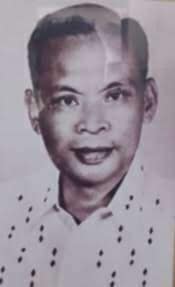
The Forgotten Architect: Congressman Pedro S. Baculio
Between 1946 and December 30, 1949, Congressman Pedro S. Baculio of Misamis Oriental laid the groundwork for the cityhood of Cagayan de Misamis. A visionary leader, Baculio recognized the post-war need for urban development and actively pushed for the city’s conversion in Congress.
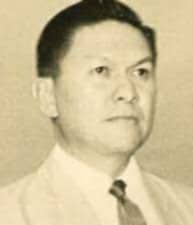
While Baculio initiated the cityhood process, it was his successor, Congressman Emmanuel Pelaez, who formally filed House Bill No. 54 on December 17, 1949. This bill eventually became Republic Act No. 521, which granted city status to what is now Cagayan de Oro, officially enacted on June 15, 1950.
Congressional Timeline: A Crucial Detail
Understanding the legislative timeline is essential to assessing who truly authored the city’s transformation.
- First Congress: May 25, 1946 – December 13, 1949
- Second Congress: December 30, 1949 – December 8, 1953
- First Session of Second Congress: January 23, 1950
These dates are key. Though Pelaez filed House Bill No. 54 on December 17, 1949, the Second Congress did not officially begin session until January 23, 1950. This raises a pivotal question: could the bill for cityhood have been filed and passed entirely within such a tight window?
The Plausible Scenario: A Renaming, Not a New Charter?
Given the brief legislative period between the Second Congress’ opening and the charter’s approval in June 1950, it is historically plausible that Pelaez did not introduce a full cityhood bill from scratch. Instead, he may have merely filed an amendment or resolution to rename “Cagayan de Misamis City” to “Cagayan de Oro City.”
Supporting Evidence:
- Time Constraints
Passing a city charter typically requires extensive deliberation—drafting, committee hearings, multiple readings, and bicameral approval. Six months is an unusually short period for such a process. - Legislative Continuity
It is likely that a cityhood bill had already been introduced or advanced during the First Congress, possibly under the original name “Cagayan de Misamis City.” Pelaez’s involvement may have focused on updating the city’s name before final approval. - Cultural and Political Context
The name “Cagayan de Oro” had been informally adopted by residents long before 1950. Formalizing it legislatively would have required minimal effort and enjoyed broad support.
Conclusion: Time to Correct the Record
As we celebrate the city’s Diamond Jubilee, it’s time to give credit where it’s due. Pedro S. Baculio played a foundational role in the cityhood of Cagayan de Oro—a fact that has largely gone unacknowledged in official accounts. Congressman Emmanuel Pelaez, while instrumental, likely finalized or renamed the effort rather than originating it.
This reassessment is not about discrediting heroes but about honoring historical truth. In doing so, we not only enrich our understanding of Cagayan de Oro’s past—we uphold the integrity of its legacy.