CAGAYAN DE ORO — As this bustling metropolis marks the 75th anniversary of its cityhood on June 15, a long-standing historical oversight demands correction. The official narrative—accepted for generations by Kagay-anons—overlooks critical details and credits that must now be reevaluated.
The Real Initiator: Congressman Pedro S. Baculio
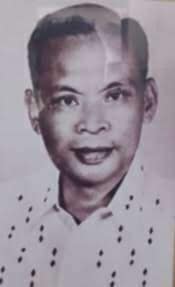
From 1946 to December 30, 1949, Congressman Pedro S. Baculio represented Misamis Oriental. During his term, Baculio worked diligently in the Philippine Congress to convert Cagayan de Misamis into a city, motivated by the urgent need for post-war reconstruction and urban development.
Baculio’s cityhood push laid the legislative foundation that would eventually give rise to modern-day Cagayan de Oro.
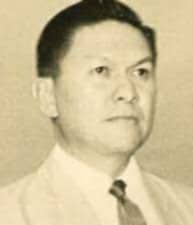
Enter Pelaez: A Name Change, Not a New Cityhood Bill
Baculio’s successor, Congressman Emmanuel Pelaez, formally filed House Bill No. 54 on December 17, 1949, a move often cited as the birth of the city. However, the historical timeline tells a more nuanced story.
Though Pelaez’s bill ultimately resulted in the passage of Republic Act No. 521, which officially granted cityhood on June 15, 1950, the Second Congress—to which Pelaez belonged—did not begin session until January 23, 1950. This raises a fundamental issue: how could a cityhood bill have been passed in just under six months?
The more likely scenario is that Pelaez did not initiate the cityhood process, but rather proposed a renaming—from Cagayan de Misamis to Cagayan de Oro.
Timeline Realities
Passing a city charter involves a lengthy process: drafting, committee reviews, multiple readings in both legislative chambers, and bicameral approval. A six-month window is extremely tight for such a major legislative feat.
Thus, the evidence suggests:
- The cityhood bill was likely already in progress during the First Congress, probably under the name Cagayan de Misamis City.
- Pelaez’s bill or resolution, filed just before the First Congress ended and the Second Congress began, likely aimed to amend or rename the bill—not start from scratch.
The Political and Cultural Context
At the time, the name “Cagayan de Oro” was already in informal use, embraced by locals as a symbol of post-war hope and renewal. Aligning the official name with public sentiment required relatively little legislative effort—and came with broad support.
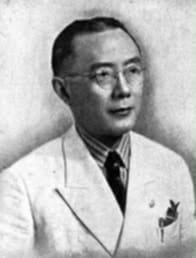
Adding weight to this theory is the role of Senator Oligario Clarin of Bohol, who sponsored the cityhood bill in the Senate, further proving that legislative work on cityhood predated Pelaez’s tenure.
A Legacy Shared
While Pedro S. Baculio deserves recognition as the true initiator of Cagayan de Misamis’ conversion into a city, Emmanuel Pelaez played an important role in ensuring that the city would be known by the name its people had already embraced: Cagayan de Oro.
The truth isn’t about discrediting anyone—it’s about setting the record straight. As the city commemorates its 75th Charter Day, this milestone offers an opportunity to honor both the vision of Baculio and the refinement provided by Pelaez.
In rewriting this flawed narrative, we celebrate not just history, but honesty—and in doing so, pay rightful tribute to the leaders who shaped the city we know today.