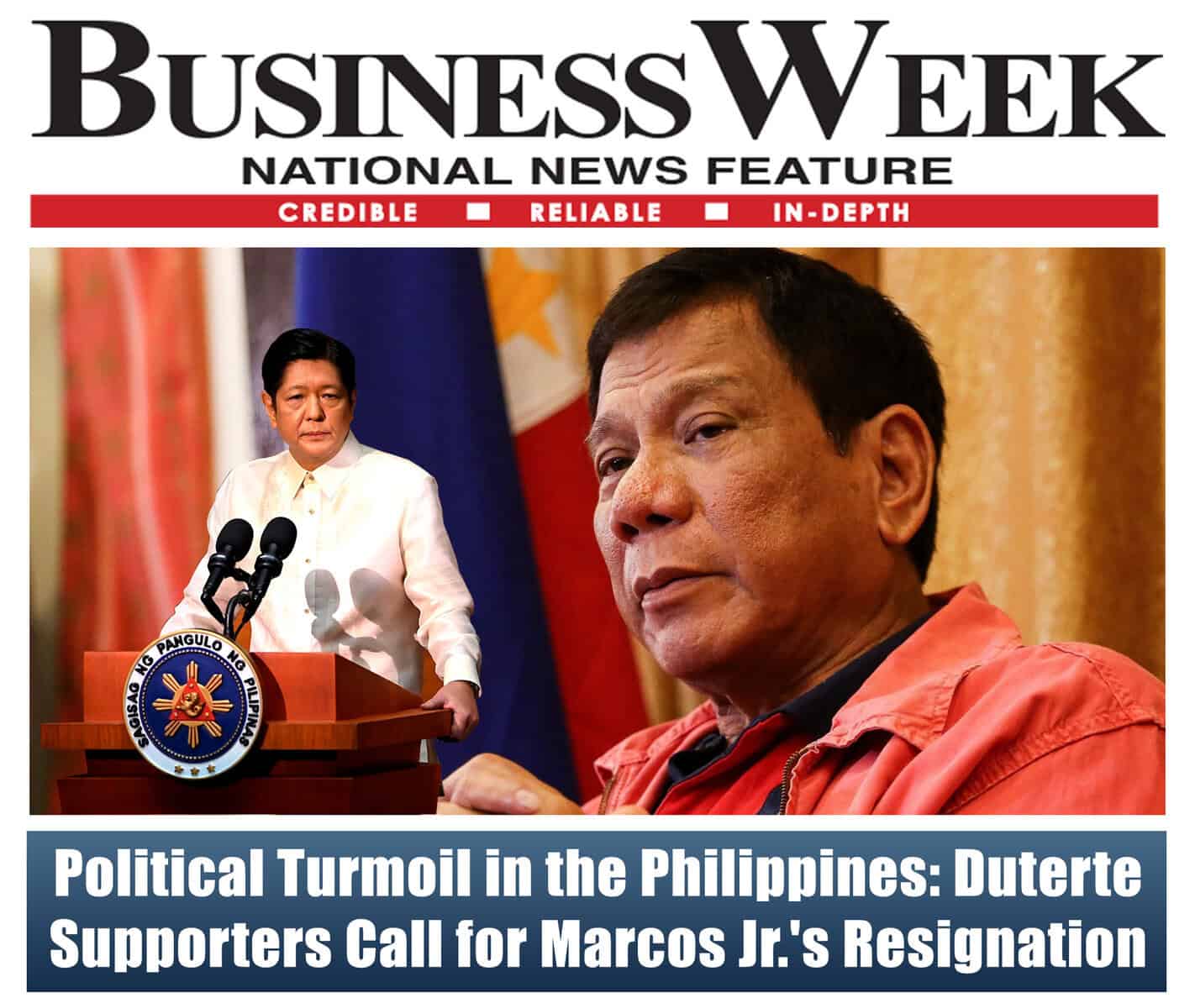
The recent arrest of former Philippine President Rodrigo Duterte on an International Criminal Court (ICC) warrant has ignited significant political turmoil in the Philippines. Supporters of Duterte, particularly in his hometown of Davao City, have expressed profound dissatisfaction with the current administration’s handling of the situation, leading to public demonstrations and calls for President Ferdinand Marcos Jr. to resign.
Davao City Mayor Sebastian “Baste” Duterte, son of the former president, has been at the forefront of this dissent. During the 88th Araw ng Dabaw celebration, Mayor Duterte openly criticized President Marcos Jr., stating, “Mr. President Marcos, you will never be loved, especially by those who call out Rody Duterte’s name. We will stand up and we will fight back.”
The mayor’s remarks reflect a deep-seated frustration among Duterte loyalists, who feel betrayed by the administration’s perceived inaction or complicity in the former president’s arrest. This sentiment was further echoed during a solidarity walk in Davao City, where thousands dressed in black to protest Duterte’s detention. Mayor Duterte addressed the crowd, suggesting that traditional politicians opposed his father’s leadership because “he disrupts their games in government.”
The political rift between the Duterte and Marcos families has been widening over recent months. In January 2024, Mayor Duterte called on President Marcos Jr. to resign if he lacked “love and aspirations for the country.” He emphasized the sacrifices made by his father, including allowing the burial of Marcos Sr. at the Libingan ng mga Bayani, implying a sense of betrayal in return.
These developments have elicited varied reactions from political leaders. House leaders have labeled Mayor Duterte’s calls for resignation as “disrespectful and baseless,” emphasizing the need to respect the Office of the President and highlighting President Marcos Jr.’s dedication to his duties.
The arrest of former President Duterte and the ensuing political discord underscore the complex and often volatile nature of Philippine politics. As the situation unfolds, it remains to be seen how these tensions will influence the country’s political landscape and the relationships among its leading political families.