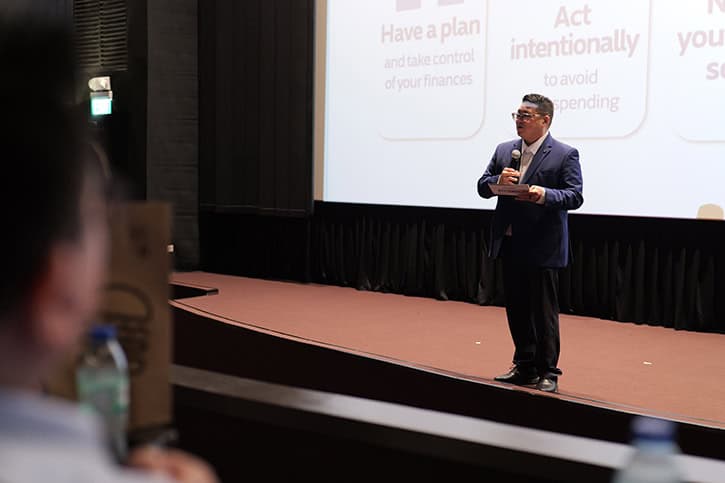
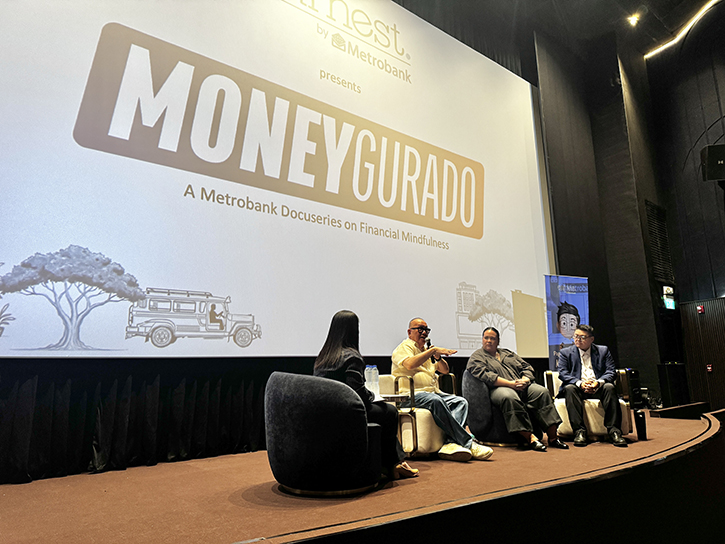
Metrobank has launched Moneygurado, a campaign in line with its goal of instilling financial mindfulness among Filipinos and a docuseries that brings practical money guidance closer to Filipinos by grounding it in real-life stories, cultural realities, and everyday experiences.
Derived from “manigurado,” which means “to make sure” in Filipino, Moneygurado blends “money” and “sigurado,” capturing the goal of being confident, informed, and protected in every financial decision. It brings together everyday money management and fraud awareness, while taking a different approach—starting not with rules or tips, but with real Filipino experiences that reflect how people think and feel about money.
This builds on Metrobank’s long-standing advocacy of helping Filipinos grow and take control of their finances by translating concepts into everyday behaviors: planning ahead, spending with intention, protecting what they have, and staying open to opportunities for growth. Moneygurado positions financial mindfulness as a practical mindset that empowers individuals to navigate uncertainty with greater clarity, confidence, and control.
This initiative comes at a time when financial pressures are becoming more pronounced. Rising fuel prices, increasing cost of goods, and shifting economic conditions continue to affect household budgets, reinforcing the need to move from reactive habits to more deliberate financial decisions—from “bahala na” to “sigurado.”
“Moneygurado is about helping Filipinos become more intentional with their money by understanding the ‘why’ behind their decisions,” said Metrobank Chief Marketing Officer Digs Dimagiba. “By starting with real stories that reflect everyday realities, we make these conversations more relatable—and ultimately more actionable.”
Moneygurado: A docuseries grounded in real Filipino experiences
At the heart of the campaign is the Moneygurado docuseries, which explores money through real-life Filipino stories, unpacking how culture shapes financial behavior across debt, spending, saving, and resilience.
Instead of prescribing rules, the series examines how deeply rooted values—such as katatagan (resilience), hiya (shame), pakikisama (fellowship), and utang na loob (debt of gratitude)—influence how Filipinos save, spend, borrow, and give. While these values define identity, they can also lead to habits that put short-term social obligations ahead of long-term financial resilience.
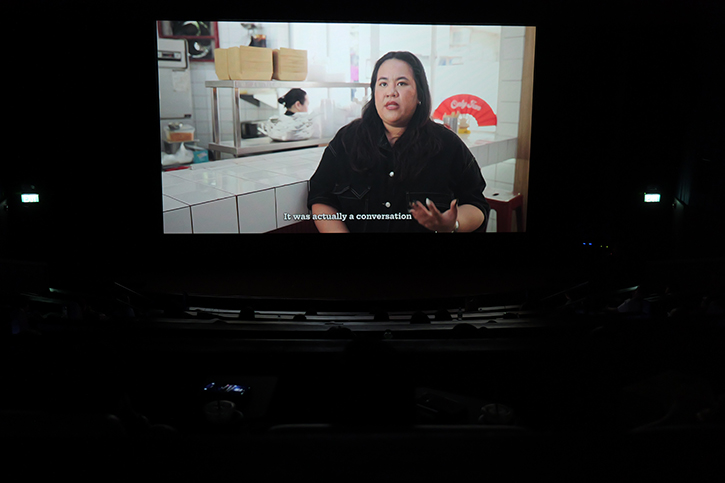
The premiere episode, “Kapit Lang: The Filipino Way of Surviving,” features entrepreneur Audrey Cruz, founder of OnlyPans Taqueria in Poblacion, Makati. What began as a pandemic food delivery concept quickly grew into a thriving business—until a fire forced them to start over.
Her story highlights a familiar Filipino trait: katatagan or resilience. But it also underscores a deeper insight—survival alone is not enough without preparation. True financial resilience comes from intentional habits built before a crisis, not during it. By grounding insights in stories like this, Moneygurado reframes resilience from simply enduring challenges to preparing for them with purpose.
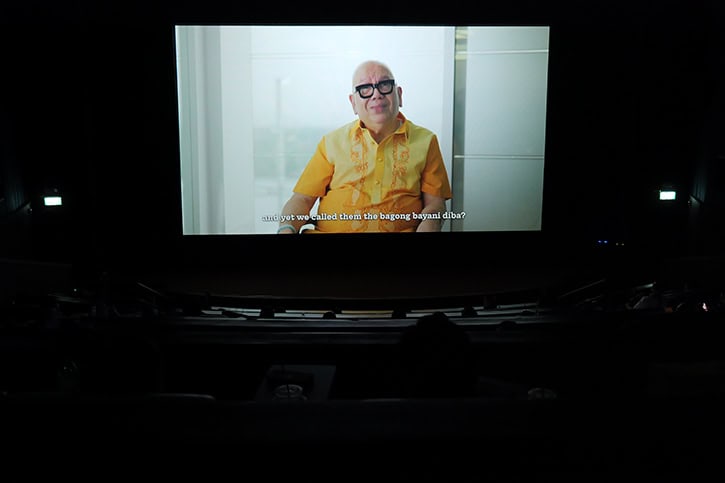
Upcoming episodes continue this exploration through different lenses: “Utang sa Pelikula: Self-Worth and Borrowing,” featuring director Jose Javier Reyes; “The Price of Hiya,” featuring historian Xiao Chua; and “Alkansya: The Filipino Art of Waiting,” featuring author Michelline Suarez.
While Moneygurado begins with stories, its purpose is to help Filipinos translate insight into action. Across the series, familiar financial behaviors are revisited through a more mindful lens—encouraging more purposeful borrowing, disciplined spending, goal-based saving, and a more intentional approach to resilience.

“Real progress starts when people see themselves in the story,” Dimagiba added. “Moneygurado is designed to meet Filipinos where they are—acknowledging their realities and helping them move forward with practical, meaningful actions.”
In the coming months, Metrobank will roll out additional Moneygurado episodes alongside accessible learning materials for students, families, and communities through its Earnest website, https://earnest.metrobank.com.ph/moneygurado.
About Moneygurado
Moneygurado is Metrobank’s financial mindfulness campaign designed to help Filipinos become more confident, informed, and protected in their everyday money decisions. Derived from the Filipino word “manigurado,” meaning to make sure of something, Moneygurado combines “money” and “sigurado” to reflect a mindset of intentional and secure financial behavior.
Bringing together financial mindfulness and fraud awareness, Moneygurado translates practical money concepts into relatable, real-life experiences—empowering individuals to plan ahead, spend with purpose, save consistently, and protect what they have. Through initiatives such as its docuseries and learning platforms, Moneygurado aims to make financial guidance more accessible, actionable, and grounded in the realities of Filipino life.
About Metrobank
Metrobank is the country’s second largest private universal bank in terms of assets that empowers both retail and business clients with customized financial products and services fit to help reach their goals and full potential. To know more and get the latest on Metrobank, visit our website, https://www.metrobank.com.ph/home and follow our official social media pages on Facebook, X, Instagram, and Tiktok.
From the word “manigurado,” which means making sure of something; a coined term from “money” and “sigurado”, Moneygurado captures the feeling of being confident, informed, and protected when making money decisions. Bringing together financial education and fraud protection, Moneygurado helps you stay confident and in control of your money every day. What makes this campaign different is how it starts the conversation. Instead of leading with rules or tips and tricks, Moneygurado begins with real Filipino experiences portrayed in the docuseries and broken down in companion articles — because financial education works best when it reflects their reality. And in moments like today’s economic crisis, Filipinos need guidance the most. ‘Pagdating sa pera, dapat moneygurado muna.
EP 1: Kapit Lang: The Filipino Way of Surviving
Featuring Businessowner Audrey Cruz Filipinos have survived typhoons, floods, and a pandemic, and now face rising prices and job uncertainty. Crisis is familiar ground. But survival was never meant to be permanent. Audrey Cruz reflects on what intentional resilience truly looks like: the shift from surviving to preparing begins with one deliberate habit made before the crisis, not during it. Whether it’s an emergency fund, insurance, or honest budgeting — being Moneygurado means you’re already preparing before the storm hits.
E P 2 : Utang sa Pelikula: Self-worth and Borrowing
Featuring Direk Joey Reyes Filipino cinema has long portrayed utang as shame, sacrifice, or a trap, and social media has only amplified how we see wealth and aspiration. Direk Joey Reyes explores how these stories shape the way Filipinos borrow. Financial mindfulness reframes the narrative: debt isn’t the villain. Misusing it is. When we rewrite this cultural script, we learn that our worth isn’t in what we owe — but in the life we choose to build.
E P 3 : The Price of Hiya: Why Filipinos Fear Talking About Money
Featuring Prof. Xiao Chua Rooted in pakikisama, hiya has made money talk a quiet taboo — one that costs us dearly. We overspend to keep up, overextend to fit in, and overlook our own goals and well-being. Prof. Xiao Chua unpacks how this cultural silence shapes our spending and what it means to finally break it. Breaking that silence is the first, most important step toward financial mindfulness.
E P 4 : Alkansya: The Filipino Art of Waiting
Featuring Author Michelline Suarez The humble alkansya is more than a childhood keepsake — it’s a living symbol of Filipino trust, patience, and preparedness. Author Michelline Suarez traces how our history of saving shapes where we’re headed. When we remember where we came from, the path forward becomes clearer. Ang alkansya ay hindi lang alaala ng kahapon — bahagi ito ng ating pagiging Pilipino at ng kinabukasan.
###