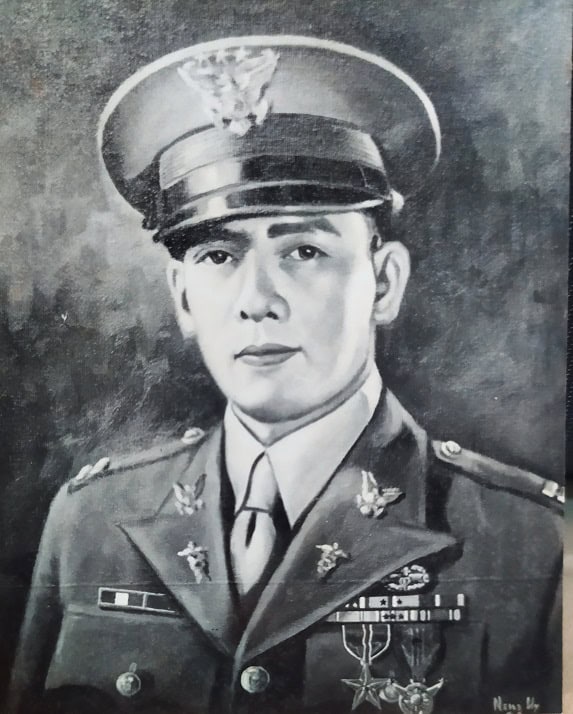
Battlefield Angel of Mercy:
“B” Co. Collecting Company, 101st Medical Battalion, 101st Infantry Division, Philippine Army, USAFFE & 1st Battalion, 111th Infantry Regiment, 10th Military District, USFIP
The annals of the Second World War in the Pacific Theatre are full of tales of heroism and sacrifice by patriots and martyrs who put their lives at risk or paid the ultimate sacrifice for the sake of their fellow men. However, less common are tales relating the uncommon valor of ordinary mortals who dared tread on the fields of battle without lifting a weapon in anger against the enemy.
It’s sad how so few now remember another such local hero, a lumad Kagay-anon and son of the famous Kagay-anon patriot and civil servant Apolinar Velez y Ramos.
Born April 19, 1906 to “Señor Cayong” (as his illustrious Father was addressed) and Leona Chaves, the young Blas graduated from the University of Santo Tomas College of Medicine in 1937.
When war clouds with Japan were gathering on the horizon, he was appointed into the United States Army Forces in the Far East (USAFFE) on 30 September 1939 as 1st Lt, Medical Corps (Reserve) and trained at Camp Murphy and Fort William McKinley for field medical service (war footing).
Later, he was assigned with the “B” Co. Collecting Company, 101st Medical Battalion, 101st Infantry Division, Philippine Army, in the front lines of the Digos, Davao-Cotabato Sector.
When the USAFFE Mindanao Force surrendered to the Japanese Imperial Army on May 10, 1942, he was held as a prisoner-of-war from August 5, 1942 to Sept 8 1944, first at Camp Casisang, Malaybalay, Bukidnon, and later at the Japanese Imperial Army Headquarters, Ateneo de Cagayan, during which he was recruited as an Intelligence Agent by the 109th Infantry Division to which he furnished valuable information about the enemy’s movements, strength and disposition of troops, and their supplies and defenses.
Beyond the Call of Duty
It takes a brave man to deliberately surrender to the enemy to gain access to intelligence information from his headquarters, but that’s what Velez did when asked by his colleagues in the 109th Division.
“Soon after the surrender of the USAFFE Forces to the Japanese Imperial Army, Dr. Blas C. Velez was under our instructions, directed to surrender at the Japanese Imperial Army Headquarters at the Ateneo de Cagayan, where he became a prisoner of war from August 5, 1942 to September 8, 1944,” attested Maj. Angeles L. Limena in a post-war sworn affidavit.
Capt. Primitivo P. Quiem, the former assistant chief of staff (G-2) of the 109th Division, who was given the task of getting military information and organizing an intelligence network covering the 109th Division area of operations, and in particular, the Japanese Garrison at Cagayan, Misamis Oriental, stated in a post war affidavit he chose Dr. Velez as a member of the intelligence network inside Cagayan “because of his military training, his quality of observation, sharp memory and his reserved demeanor and fortitude in withstanding possible torture should he be caught spying by the enemy.”
“Dr. Blas Velez was able to give out vital information regarding the strength of the Japanese, the Japanese units that were under the command of the Ateneo Garrison; supply situation; patrol activities; types of weapons available; supply dumps; disposition of Japanese troops; morale and others,” Quiem attested.
Although scheduled for execution by the Japanese Kempeitai, he escaped from the Japanese Garrison at Ateneo de Cagayan on Sept. 9, 1944, during the USAAF bombing of Cagayan) and volunteered at the Headquarters of the 109th Infantry Division under Col. James Grinstead (AUS) and assigned as Medical Officer of the 111th Regiment, on October 24, 1944, and later promoted to Regimental Surgeon.
The Valor of Compassion
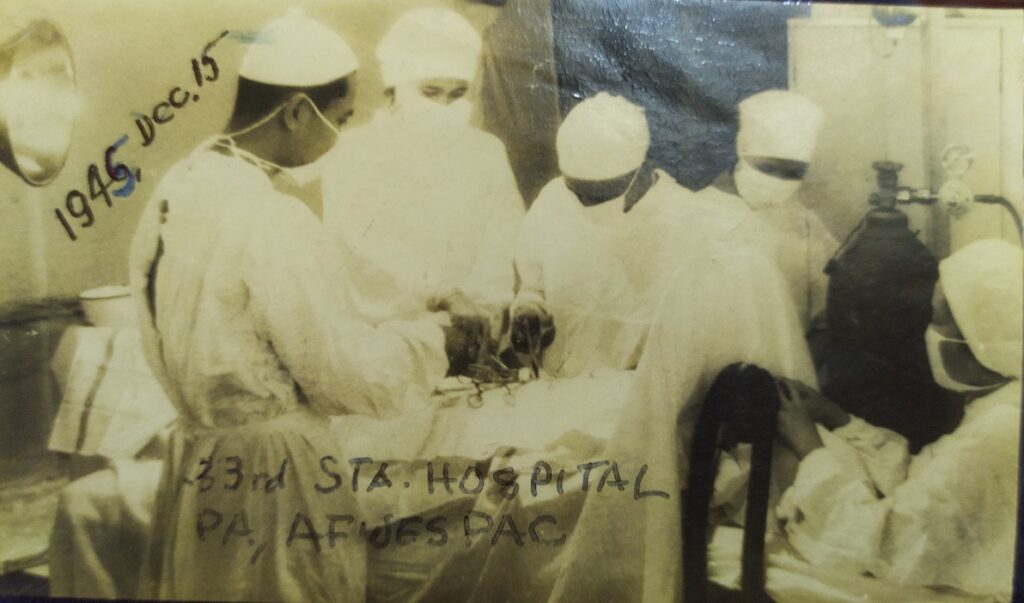
Velez saw action in several frontal clashes against the enemy, but rather than taking lives in combat, he sought to save as many of his wounded compatriots as he could by putting his Aid Station near the line of combat, thereby minimizing losses among guerrilla casualties.
But it wasn’t only his personal bravery in taking putting his person at risk to save his wounded comrades that distinguished his brand of service.
His organizational acumen in limiting combat casualties is evident in his personal report “Medical Company supporting the 111th Infantry Regiment from Oct 1944 to Aug 5, 1945″ when his unit, the 111th Infantry, 109th Division attacked the Japanese garrison and quartermaster depot at Carmen and Sitio Kalinogan on 8 May 1945.
His Regimental Combat Unit was ordered to be mobile but give first priority to Carmen Hill, and establish an Aid Station at Lumbia, and a supply point at Lumbia Junction.
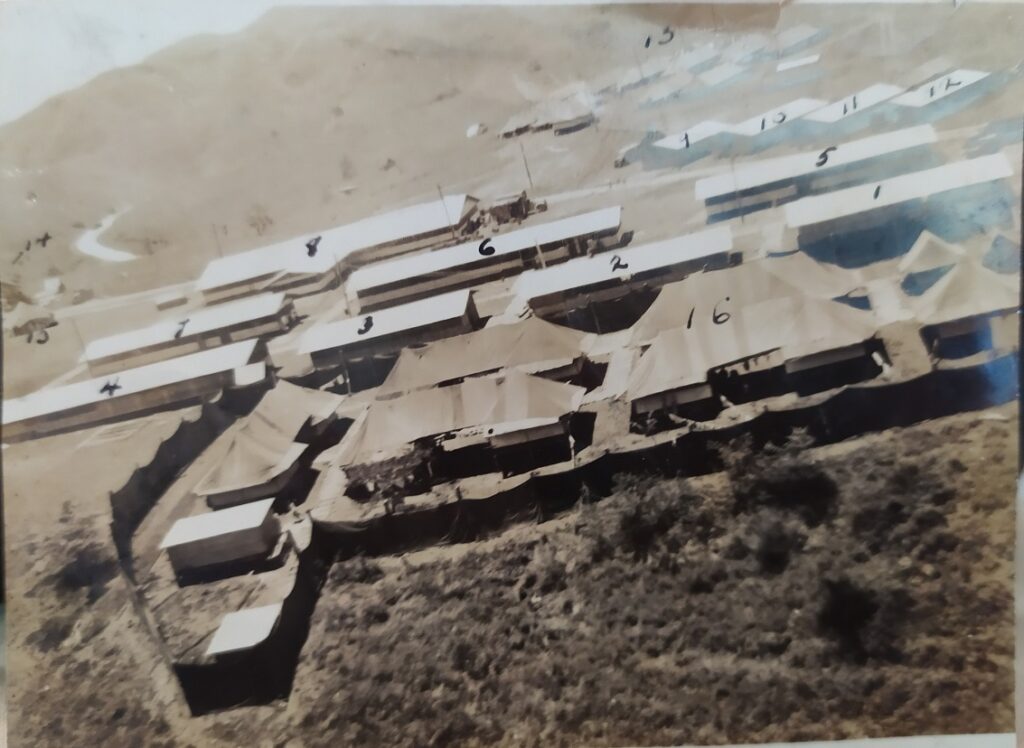
But Velez went beyond what was required, and established a “Chain of Evacuation” detailed in his Medical Co. Operations Plan, placing a four-phase aid station starting with an advance aid station at Km. 7 to serve as a collecting point for expected casualties from 1st and 2nd Battalions and Regimental Combat Unit where tagging and sorting were to be conducted.
Next, a Residential Aid Station was set up at the L-junction to serve as a “Shock Station” since he considered Lumbia proper too far which made evacuation of casualties and the availability of water more difficult.
Further on was a Field Station behind Macahambus Pass where patient past the Shock Stage were evacuated for more elaborate treatment, like emergency surgical operation. The location was ideal since it was wooded and defiladed, fresh and cool with potable water.
Not the least, a Rear Station at Mambuaya junction was established for the wounded to convalescence.
For transporting the wounded to the various aid stations, Velez supervised the fabrication of native bamboo litters and commandeered horses for non-ambulatory patients. He also requested additional litter bearers from each combat company as medical corpsmen were limited in number and had to focus on medical aid work.
A Man of Distinction
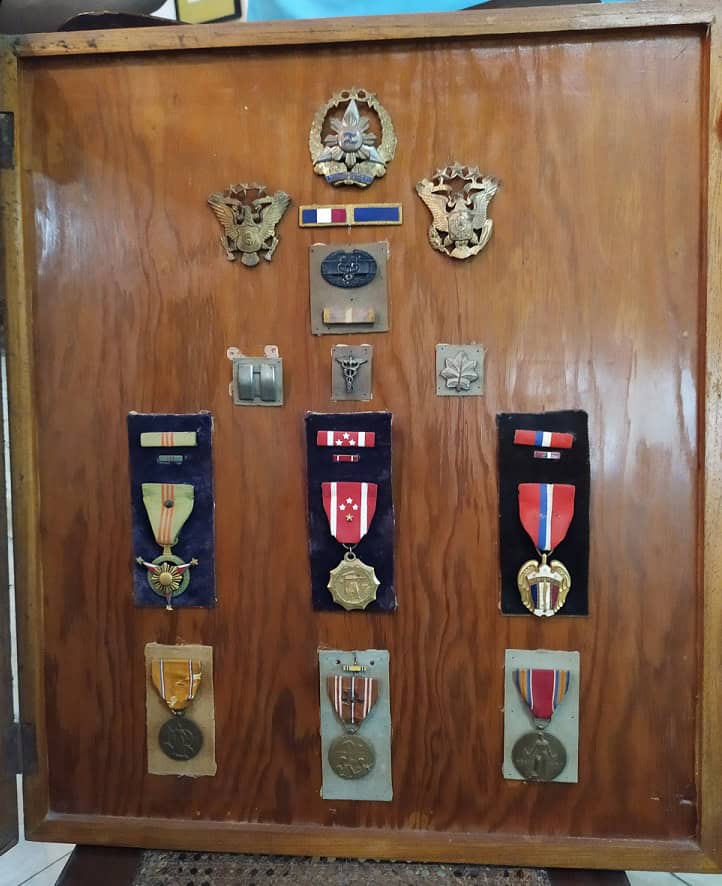
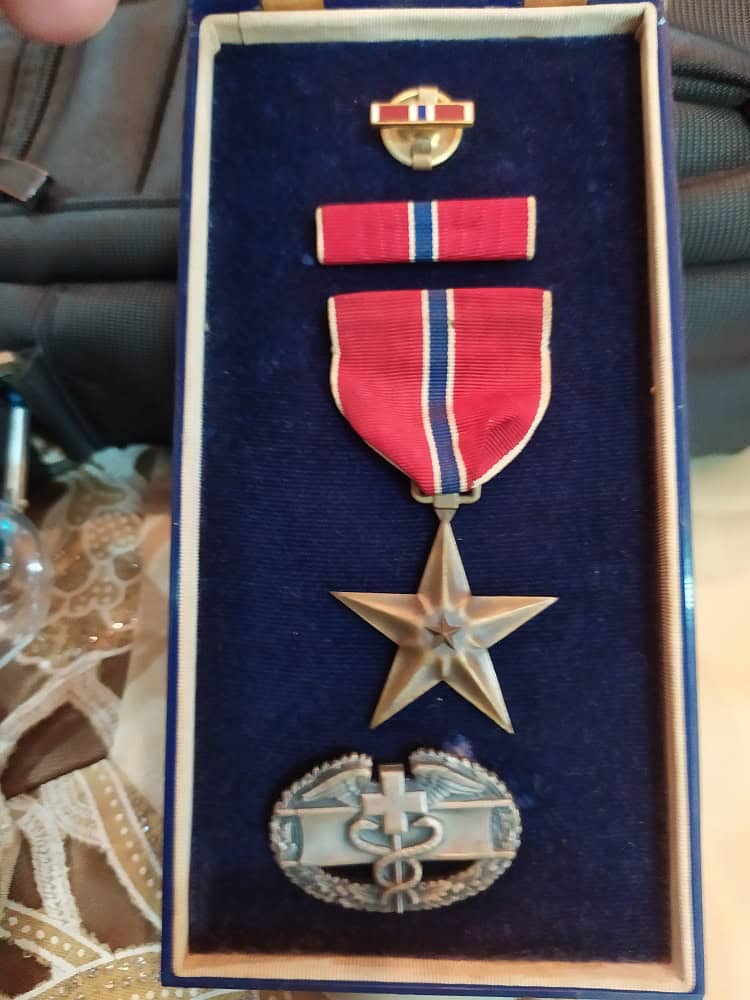
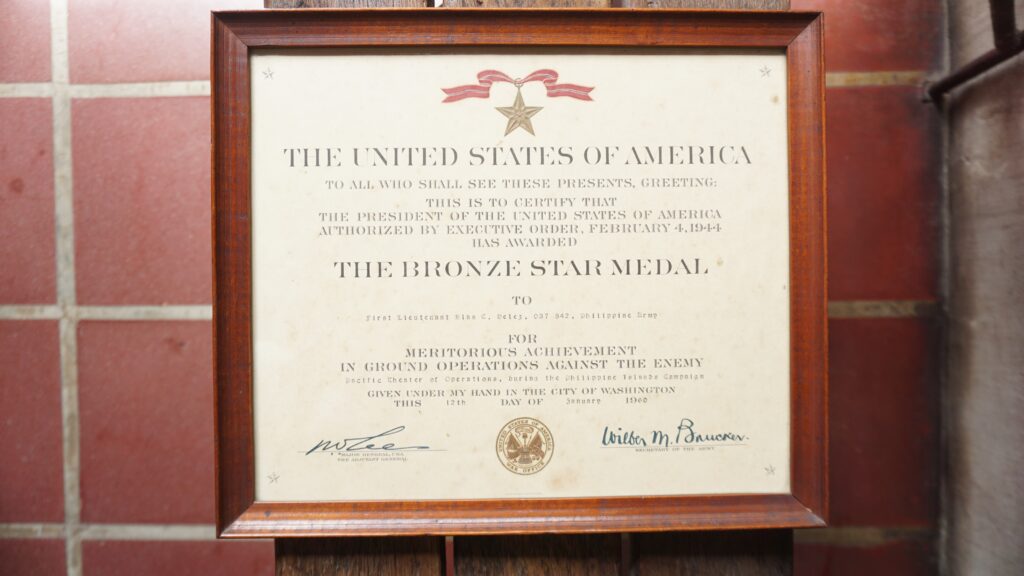
In addition to his Bronze Star and Philippine Medal of Merit, Velez was also awarded the Philippine Defense Medal, Philippine Liberation Medal, Philippine Independence Ribbon, American Defense Medal, Asiatic-Pacific Victory Medal, Medical Combat Campaign Ribbon, World War II Badge, Distinguished Emblem with two Oak Leaf Clusters, and Presidential Unit Badge.
Deactivated from active duty on 30 April 1946, he was nevertheless later promoted to Captain as a Reserve Officer (Inactive) on 18 March 1948; and later to Major on 1 July 1962.
As a layman, he was awarded the Dr. J. Salcedo Medal in 1957 as the Most Outstanding Medical Pioneer Physician in Misamis Oriental, the Brig. Gen. Ramon Aguirre Medal as the Most Outstanding Military Surgeon in Mindanao during World War II, the Doña Aurora Aragon Quezon Medal by the Red Cross, and a diploma of honor by the Philippine Medical Association in 1958.
Truly, Blas C. Velez was a true Angel of Mercy in the Battlefield, and was the living embodiment of the Hippocratic Oath to “to treat the ill to the best of one’s ability, to preserve a patient’s privacy, and to teach the secrets of medicine to the next generation.”
Apollo, Asclepius, Hygeia and Panacea would have surely approved.