BY JOEL C. ESCOL, Managing Editor
Cotabato City is a vibrant and culturally rich destination that beckons travelers with its unique blend of history, culture, and natural beauty. As the regional center of the Bangsamoro Autonomous Region in Muslim Mindanao (BARMM), Cotabato City serves as a gateway to understanding the diverse cultural tapestry that defines this part of the country.
Historical Significance
Cotabato City’s history is deeply intertwined with the rich heritage of Mindanao. Established as a settlement along the banks of the Rio Grande de Mindanao, the city has played a pivotal role in the region’s development. Its strategic location made it an important center for trade and commerce long before Spanish colonization. The city’s name, derived from the Maguindanao word “Kuta Wato,” meaning “stone fort,” alludes to its historical role as a fortified settlement.
Cultural Diversity
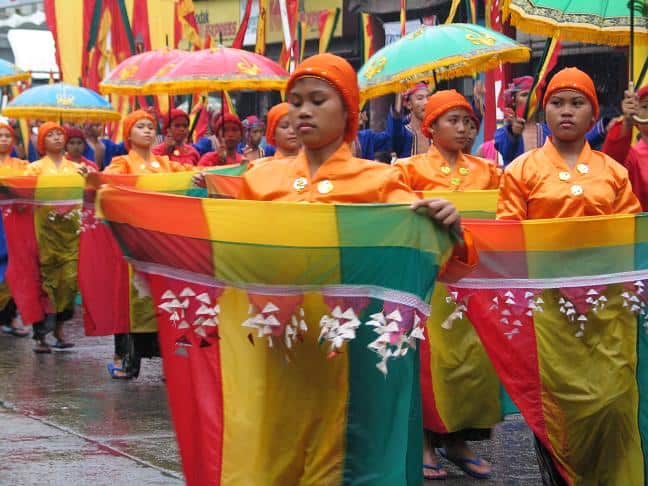
One of Cotabato City’s most striking features is its cultural diversity. The city is a melting pot of various ethnic groups, including Maguindanaons, Maranaos, Tausugs, and Christians. This multiculturalism is evident in the city’s festivals, culinary offerings, and religious landmarks. The annual Shariff Kabunsuan Festival, celebrated every December, showcases the rich traditions of the Maguindanaon people, featuring colorful parades, traditional music, and dance.
Architectural Marvels
Cotabato City boasts several architectural landmarks that reflect its historical and cultural heritage. The Sultan Haji Hassanal Bolkiah Masjid, commonly known as the Grand Mosque of Cotabato, stands as one of the largest mosques in the Philippines. Its stunning white façade, adorned with intricate Islamic designs, is a testament to the city’s Islamic heritage. Another notable structure is the Old Cotabato City Hall, an enduring symbol of the city’s colonial past.
Natural Wonders
Nature enthusiasts will find plenty to explore in and around Cotabato City. The Rio Grande de Mindanao, the second-longest river in the Philippines, offers opportunities for river cruises and fishing. Nearby, the Timako Hill provides a panoramic view of the city and its surrounding landscapes, making it a popular spot for hiking and nature walks. The city’s proximity to Mount Apo, the highest peak in the Philippines, also makes it an ideal base for mountaineers and adventure seekers.
Culinary Delights
A visit to Cotabato City would be incomplete without indulging in its culinary delights. The city’s food scene is a reflection of its diverse cultural influences. Local delicacies such as pastil (steamed rice topped with shredded chicken or beef) and sinina kambing (a spicy goat stew) are must-tries. The city’s night market offers a vibrant array of street food, providing a true taste of Cotabato’s culinary heritage.
Modern Development
In recent years, Cotabato City has seen significant development, with improvements in infrastructure and urban amenities. The city’s commercial districts are bustling with activity, featuring modern shopping centers, hotels, and restaurants. Despite these advancements, Cotabato City has managed to retain its historical charm and cultural essence.
Cotabato City is more than just a gateway to Mindanao; it is a destination in its own right, offering a unique blend of history, culture, and natural beauty. Whether you’re a history buff, a cultural enthusiast, or an adventure seeker, Cotabato City promises a memorable and enriching experience. As the city continues to grow and evolve, it remains a testament to the enduring spirit and resilience of its people, making it a must-visit destination in the Philippines.
Shariff Kabunsuan Festival
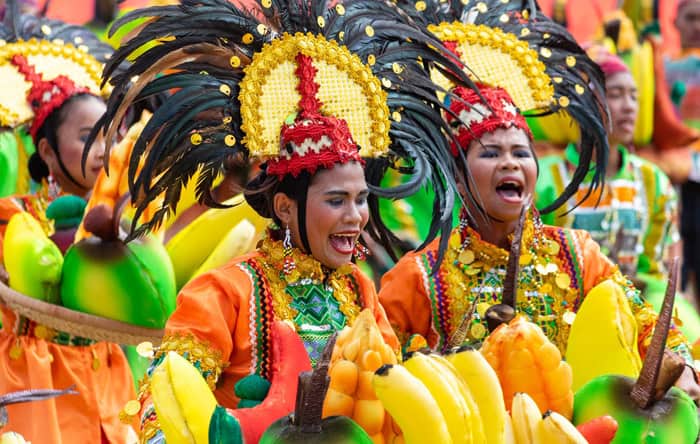
The Shariff Kabunsuan Festival is a vibrant annual celebration held in Cotabato City, Philippines, every December. Named after Shariff Kabunsuan, an Arab-Malay missionary who introduced Islam to Mindanao in the 16th century, the festival honors his significant contributions to the region’s religious and cultural heritage.
The festival is a spectacular showcase of the rich traditions of the Maguindanaon people and other ethnic groups in Cotabato City. It features a week-long series of events, including colorful parades, traditional music and dance performances, and various cultural exhibitions. One of the highlights is the Guinakit Fluvial Parade, where elaborately decorated boats sail along the Rio Grande de Mindanao, symbolizing the arrival of Shariff Kabunsuan.

Another key attraction is the vibrant street dancing competition, where participants clad in traditional attire perform intricate dances that narrate historical and cultural stories. The festival also includes culinary fairs, sports events, and art exhibits, offering a holistic experience of Cotabato City’s cultural richness.
The Shariff Kabunsuan Festival not only celebrates the city’s Islamic heritage but also fosters unity and pride among its diverse communities. It is a vivid reminder of Cotabato’s historical significance and a vibrant testament to its enduring cultural legacy. ###