It did not have to wait 75 years for the collection to be published but that’s what seemed to have happened.
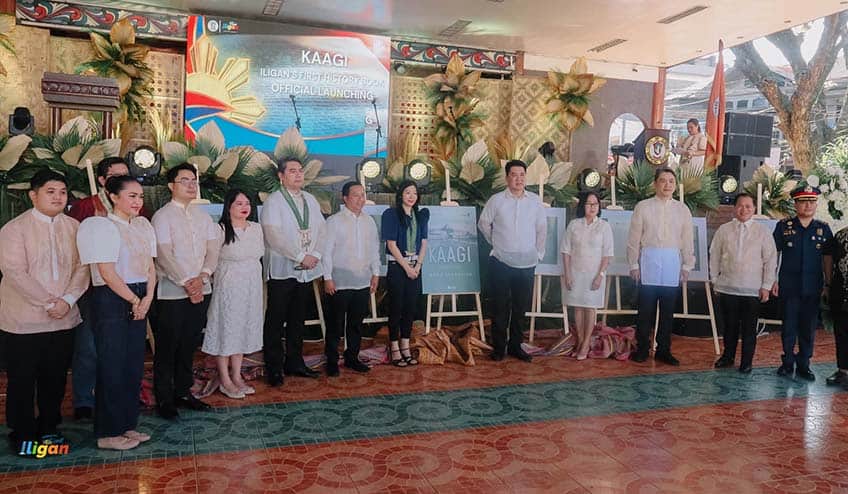
As Iligan celebrates its 76th charter day on June 16, 2026, the city’s much-awaited “KAAGI—Readings on Iligan History” will be officially launched as highpoint of the celebration.
Technically, the book was published in 2025 to coincide with the year-long celebration of Iligan City’s Diamond Jubilee and it even had a soft launch on December 30, 2025.
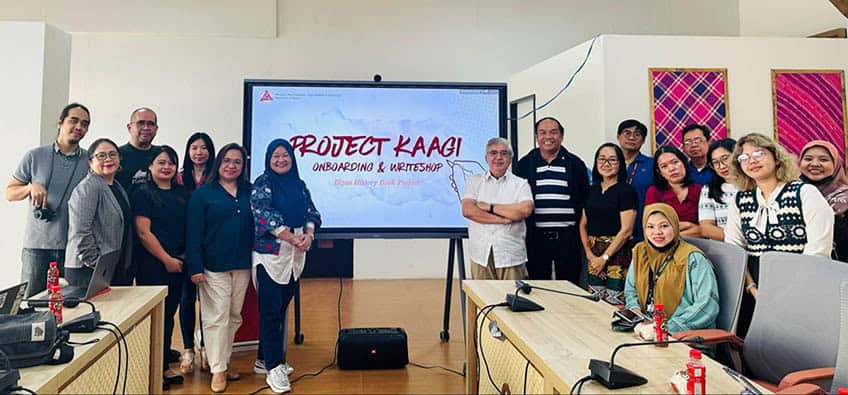
The publication was made possible by the collaboration between the Iligan City Local Government Unit and the MSU-Iligan Institute of Technology. Most of the faculty members of the History Department of MSU-IIT are the contributors of the book writing seven chapters comprising a total of 25 articles.
The department acknowledges in the book the role of the following in the materialization of the project: Dr. Darwin Manubag, City Administrator; Ricardo J. S. Caluen, History Consultant and writing project coordinator; Mayor Frederick W. Siao, and MSU-IIT Chancellor Alizedney Ditucalan.
In writing the Introduction of the book, Prof. Rey Adeva Montesclaros, himself a major contributor, pays tribute to those historians who had planted the seeds of Iligan historiography and describes the nature of the book:
“Our efforts, however, would only be the continuation of those pioneering writers of Iligan and Lanao History who had written graduate theses and articles on Iligan History. They are Professors Geoffrey Salgado, Ricardo Caluen, Rudy Rodil, Evelyn M. Jamboy, Patrocenia Acut, and Leonor Enderes. As had been said, historians write from the shoulders of those who wrote before them.”
The Bisaya Cebuano word “kaagi,” which is an ideal title, as this is related to “agi” or to pass or “agi-anan” or the path, and is used to mean the past or History. Iligan, all these years, as it encountered various challenges, had to choose a particular path where it believed it could pass through towards its goals, towards survival and progress.
It is used frequently in this sense to refer to the past of a person, a place, or an institution. The arrangement of the various articles had been made to suit Iligan’s past, which, of course, must mention the terrain and environment that would impact on the events past and present. It must mention the people and their culture who were living in that area long before the Spaniards invaded Mindanao.”
We are certain readers of “KAAGI” will find it a gem of local history writing. We congratulate the Iligan community for a work that will make them proud of their history. (Northern Mindanao Heritage Network)
Fast Facts:
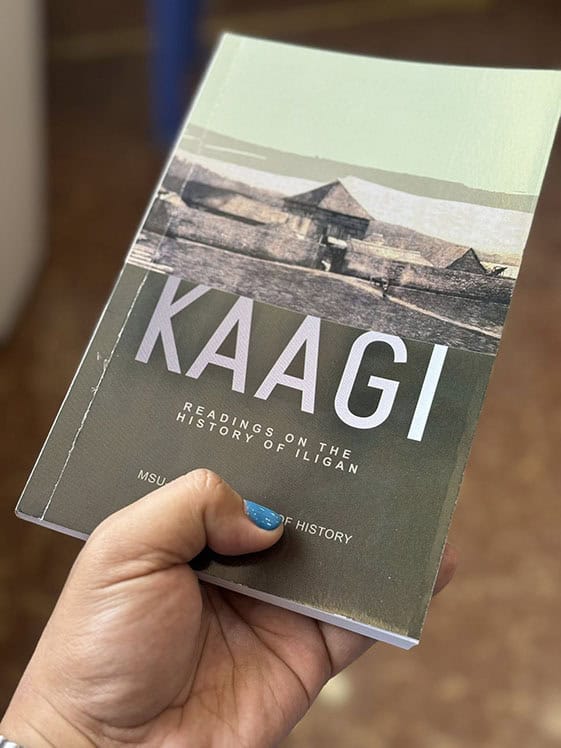
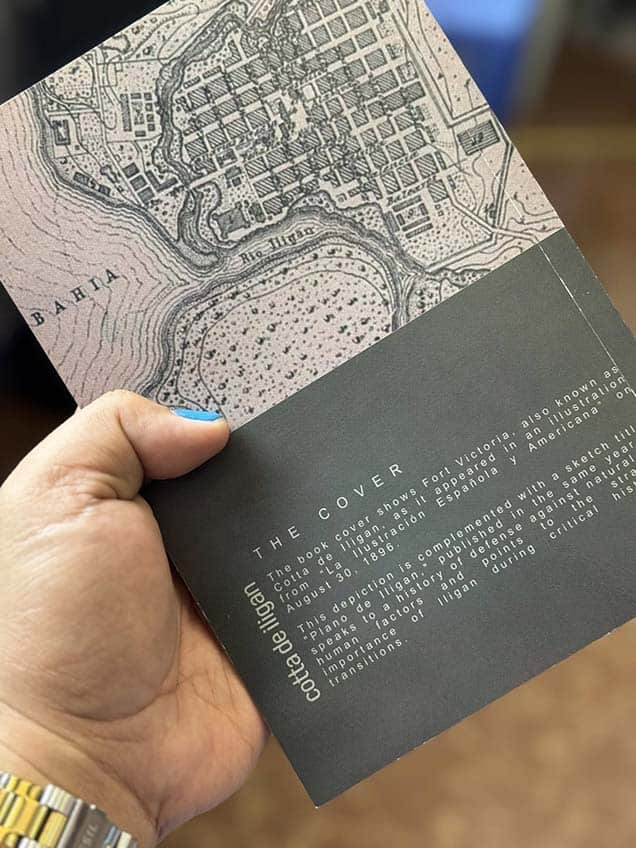
KAAGI: Readings on the History of Iligan is Iligan City’s first-ever comprehensive history book. Spearheaded by the MSU–IIT Department of History in partnership with the Iligan City Government, the book is a landmark collection that documents the city’s evolving identity, culture, and heritage.
Key Details & Contents
- Significance: It is a community-driven initiative that consolidates archival records, oral histories, and academic research to preserve the true narrative of Iligan.
- Seven Chapters: The book is divided into seven chapters, unfolding Iligan’s story chronologically and thematically:
- Geography & Pre-Colonial Roots: The region’s indigenous origins and landscape.
- Spanish Period: The establishment of the 1609 mission, Jesuit administrations, and early presidios.
- American Period & WWII: Iligan as the capital of the Lanao District and its experiences during Japanese occupation.
- Post-War Transformation: The city’s transition into an industrial powerhouse in the post-war decades.
- Martial Law Era: The local socio-political climate and security measures.
- Post-Industrial Changes: The evolving demographics, trade, and progressive development of Iligan.
The book was officially unveiled and launched during the 129th Rizal Day Commemoration at Rizal Park, Iligan City, bringing together local leaders, historians, and the community.
For more information regarding local history initiatives, you can check updates from the MSU-IIT Department of History or follow the Iligan City Tourism Facebook Page.