By Mike Baños
The Project Lunhaw redevelopment of Cagayan de Oro’s historic Plaza Divisoria was officially completed with the inauguration of the new El Pueblo A Sus Heroes Park, on May 2, 2026.
If the old trees of Plaza Divisoria could talk, they would be busy regaling the crowds with tales of its storied past, and how it often played a major role in the city’s local history.
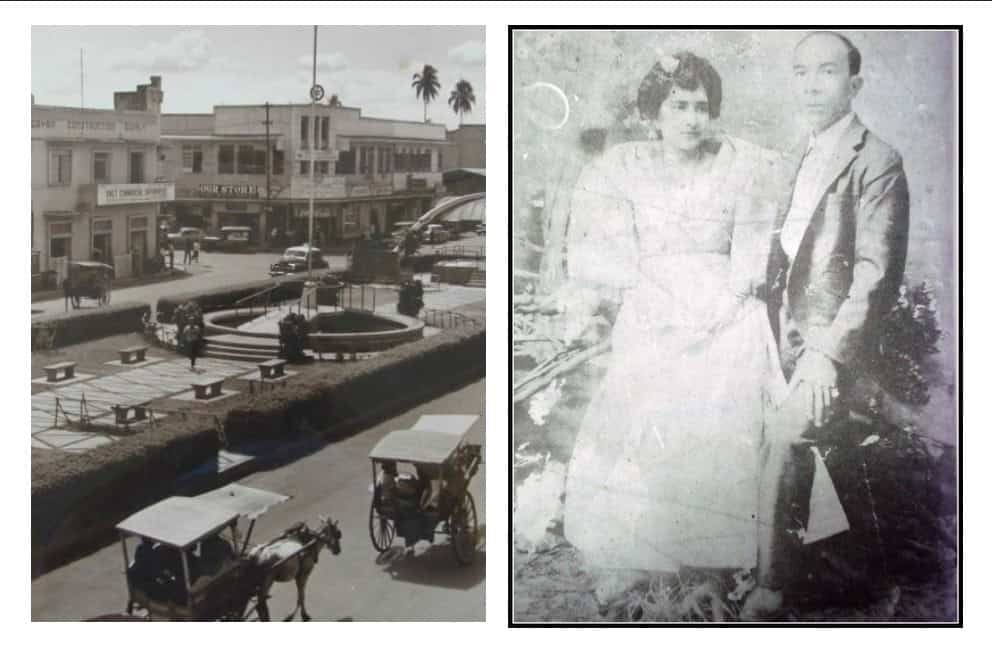
Plaza Divisoria was constructed in 1901 by Tirso Neri y Roa, a rich merchant who was then municipal mayor of Cagayan de Misamis, the old name of the city. Much of the site used for the plaza was donated by Neri to the town.
“The purpose of this plaza was to serve as a divider for the town. Divisoria is a Spanish word which means divider,” said local historian Dr. Antonio J. Montalvan II. “At that time, Cagayan de Misamis, as the town was then called, was continuously razed by big fires. So, in order to contain such kinds of conflagrations, Tirso Neri built this fire break known as Plaza Divisoria.”
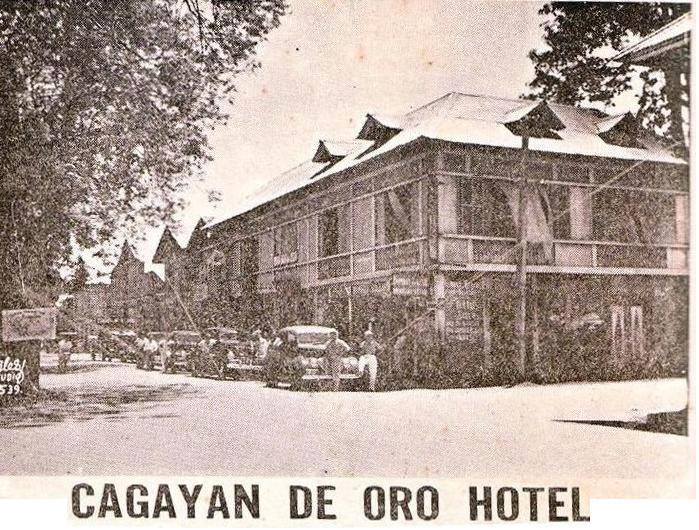
However, due to its central location, Plaza Divisoria soon became the socio-political and cultural center of Cagayan de Misamis.
On September 10, 1916 it was the scene of a big parade celebrating the passage of the Jones Law, which granted a bicameral congress to the Philippine Commonwealth.
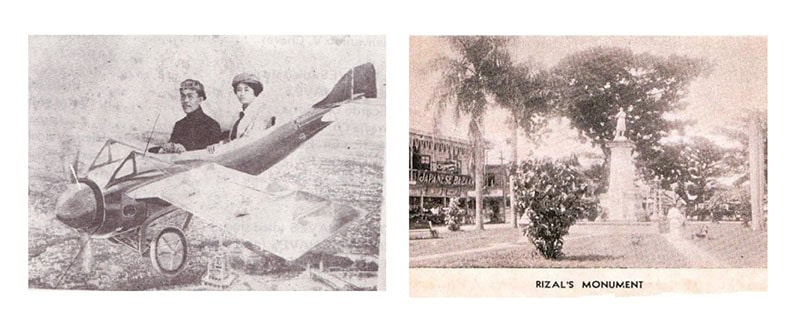
On June 19, 1917, the patriot Porfirio Chaves and his wife Fausta Vamenta turned over one of the earliest monuments in the country of national hero Dr. Jose Rizal which still graces the center of the plaza.
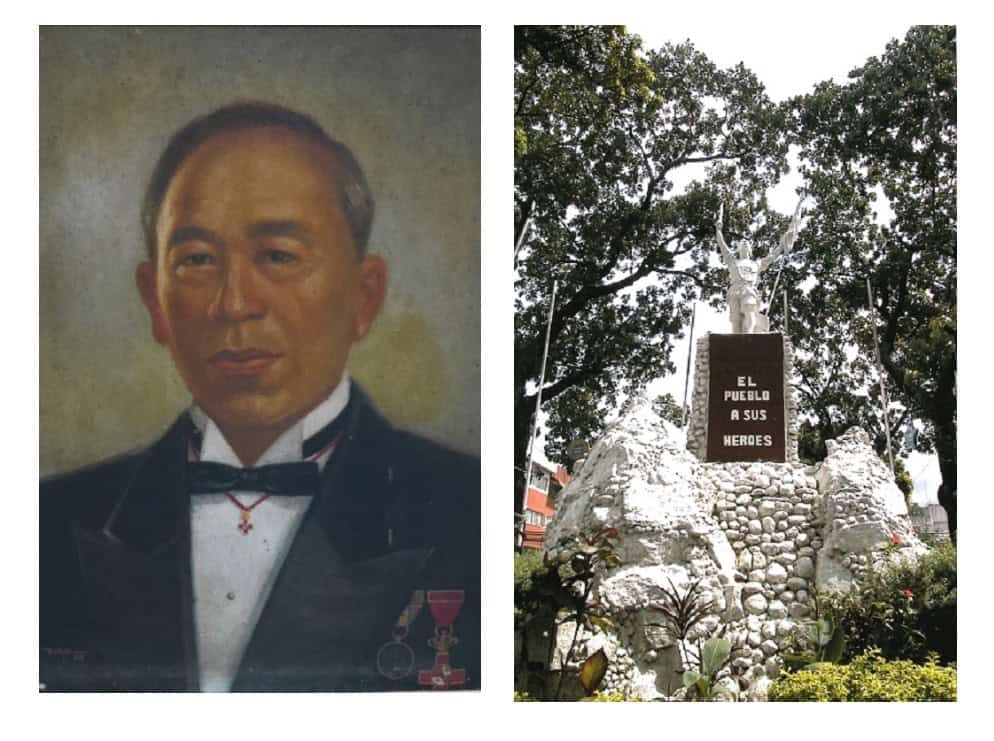
To the east is the El Pueblo a sus Heroes monument where the bones of local revolutionaries who died in the Battle of Agusan Hill on May 14, 1900 were once interred.
At the center of the old plaza used to be a structure known to all Kagay-anons as the Kiosko (and earlier, the Tribuna). In the 1950s, people gathered here for important social and cultural occasions, such as the annual celebration of National Heroes Day. By the 1960s, people were regularly gathering in the area to discuss the burning issues of the day.
This group of residents became what is now known to old-timers as “The Plazans” and included many of Cagayan de Oro’s finest like Councilor Pio Roa, Yo Amon Fuentes, Dr. Jose Montalvan, Jesus Roa, Anastacio Gabor, Ramon Echem, former Governor Paciencio Ysalina, Aquilino Pimentel, Sr., Tawag ng Tanghalan National Champions Tata Neri and Rizal “Boy” Ortega, the late police chief Melo Esguerra, Carlos Yamut, and former RP Ambassador to the US Raul Ch. Rabe, to mention a few.
The “Kiosko” was for a time replaced by the “Bandstand” built by City Mayor Justiniano “Tiñing” Borja in the 60s, who also restored the central significance of Plaza Divisoria by building another structure, known to Kagay-anons as the “Ampi” (for amphitheater).
“All Philippine presidents who came to town addressed the people of Cagayan de Oro in Plaza Divisoria,” Montalvan recalls. “So in a sense, this is the Plaza Miranda of Cagayan de Oro.”
Borja’s Bandstand has in turn been replaced by the “Kiosko Kagawasan”, built by the past administration of Mayor Vicente Y. Emano. It recalls the architecture of the original Kiosko sans the skylight and the two lions which remain missing to this day.
During the last term of the past administration, the Plaza underwent a major facelift. Besides the band stand’s replacement with the new Kiosko, the “ampi” has also reconstructed during the administration of former Mayor Oscar S. Moreno.
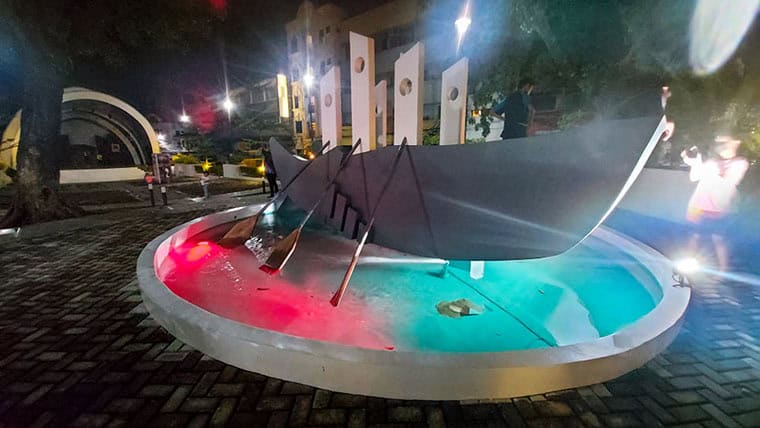
Project Lunhaw
The culmination of three (3) year’s work under UN Habitat’s Building Climate Resilience through Urban Plan and Designs Project (BCRUPD), Project Lunhaw
converted Plaza Divisoria into a walkable, bikable heritage park, introducing green and water features to improve ambient temperature, permeable paving for surface runoff absorption, and water catchments to sequester rain and supply the water features, while preserving the park’s historical value.

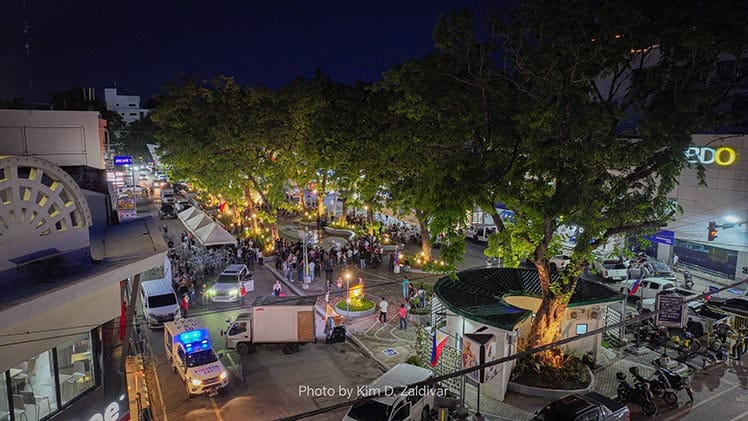
The Plaza Divisoria redevelopment project covered Magsaysay Park, El Pueblo A Sus Heroes Park, JR Borja Monument/Kiosko Kagawasan up to the riverside facing Cagayan River.
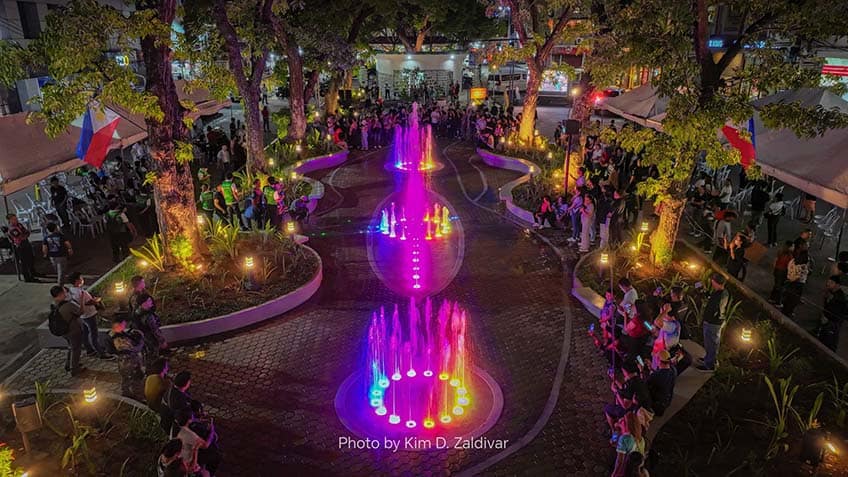
Project Lunhaw head Patrick Gabutina notes how the project features an open theatre, new Amphitheatre, viewing deck, 1-level car park, rentable tenant spaces, multiple fountains and a multi-purpose building with recreational area.
Once officially turned over, the renewed park will further strengthen Divisoria’s role as a vibrant green space and cultural landmark in the heart of downtown Cagayan de Oro.
A revitalized public space for Kagay-anons — blending heritage, recreation, and modern urban design.
-INDNJC-