Filipino power consumers need immediate remedies to cope with the skyrocketing fuel rates caused by the armed conflict in Iran and parts of the Middle East.
Skyrocketing cost of imported fossil fuels will soon hit every Filipino home with huge increases in electricity bills.
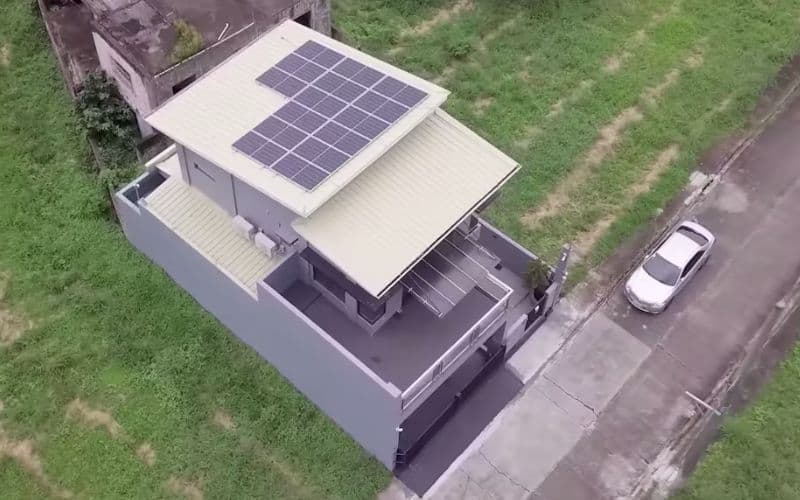
“If the government is serious in giving subsidies to power consumers, it should consider providing subsidies to families, and even MSMEs who opt to have solar panels installed in their rooftops,” said BenCyrus G. Ellorin, project director of the Consumers for Renewable Energy Action in Mindanao (CREAM).
Providing subsidies for households that would install solar panels in their homes is more sustainable. “It would increase the country’s energy self-sufficiency, energy security, and decrease the carbon footprint of electricity in the country,” he added.
House majority floor leader Sandro Marcos has filed House Bill No. 2700, or the proposed Free Electricity for Low-Consumption Households Act. The proposed law would exempt from paying for electricity homes that consume less than 135 kilowatt hours per month or those having a monthly electric bill below P2,000 from paying for electricity.
While the initiative of Cong. Marcos is good, our power system at the mercy of fossil fuels whose prices are volatile and intermittent. P135KwH consumption or lifeline consumption rate may be around P2,000 now, but with prices of electricity skyrocketing because of more expensive imported fossil fuels like coal and diesel, P2,000 would no longer be enough for lifeline consumers.
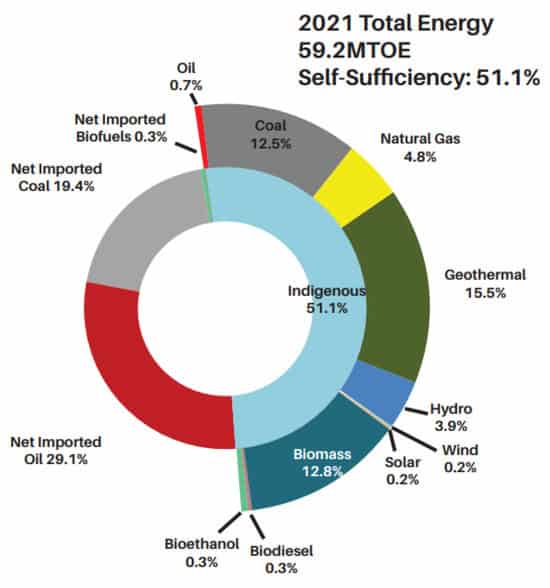
The country lacks energy security because 98% of its fuel needs are imported. “Ironic since we have unlimited solar energy, which can be exploited in tandem with our vast hydropower resources, which can serve as natural batteries. The country is also abundant in geothermal, wind, and biomass power,” he said.
The Renewable Energy Act of 2008 (RA 9513) declares as state policy energy self-reliance and reducing dependence on imported fuels. However, since the law was passed, the country’s energy self-sufficiency decreased. In 2008, 35% of the country’s electricity was produced from renewable energy sources. It has decreased to 22% now.
“When the RE Law was passed, the country’s energy self-sufficiency rate was 68%; now it is down to 52%,” Ellorin said. In Mindanao, energy stakeholders are campaigning to reclaim the island’s dependence on renewable energy. They are pushing for parity between RE sources and fossil fuel-dependent power plants in 2030. This campaign wants Mindanao to have a faster transition to clean, affordable, and secure energy. The Philippine government targets to achieve 35% dependence on renewable energy in 2030 and 50% in 2040. #