
BY JOEL C. ESCOL, Managing Editor
The 24.5 km Proposed Cebu-Bohol Link Bridge is a highly anticipated infrastructure project that seeks to enhance connectivity between the islands of Cebu and Bohol, both located in the central Philippines. This ambitious project is part of the national government’s long-term vision to improve transportation networks across the country, specifically in the Visayas region, where inter-island travel is a key component of economic growth and tourism development.
The Cebu-Bohol Link Bridge is proposed to stretch approximately 24.5 kilometers, connecting the municipality of Cordova on Mactan Island, Cebu, to the municipality of Getafe in northern Bohol. Once completed, the bridge will significantly reduce travel time between these two provinces, which currently requires travelers to take a ferry or other seafaring vessels. What is now a two-hour ferry ride could be reduced to under an hour by car, thereby offering a more convenient and faster transportation alternative.
The project is still in the planning stages, with feasibility studies being conducted to assess the technical, economic, and environmental aspects of the proposed bridge. The Department of Public Works and Highways (DPWH), which is the leading government agency overseeing the project, aims to finalize its decision on the most feasible route, construction methods, and cost implications. Local governments of both Cebu and Bohol have expressed strong support for the project, seeing it as a way to boost economic ties and enhance tourism in the region.
Economic and Social Impact
The Cebu-Bohol Link Bridge is expected to provide a range of economic benefits for both islands. With Cebu being a major commercial hub and Bohol a popular tourist destination, the bridge is seen as a vital component in promoting trade and tourism between the two provinces. Easier access could lead to a higher volume of tourists visiting Bohol’s famous attractions such as the Chocolate Hills, Tarsier Sanctuary, and various white-sand beaches. Similarly, Boholanos would find it more convenient to access Cebu’s business and employment opportunities.
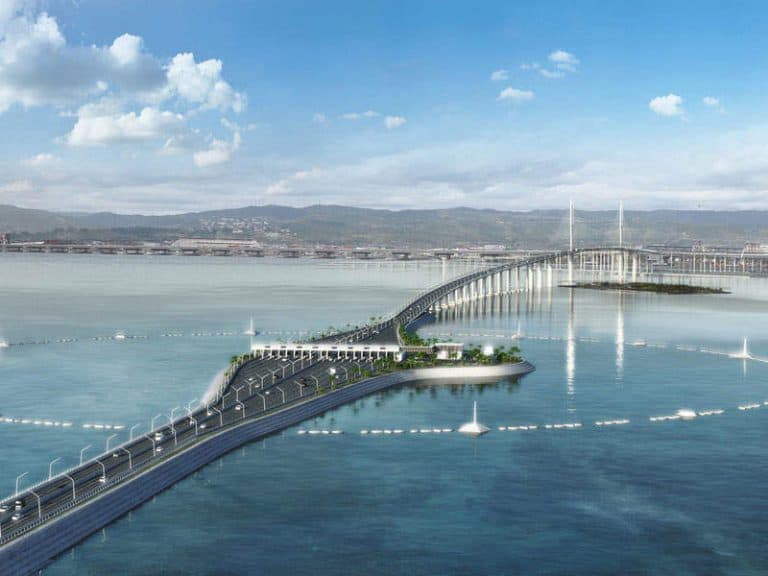
From a logistics standpoint, the bridge would significantly ease the transportation of goods and services, reducing the reliance on maritime travel. This is especially important for industries such as agriculture and manufacturing that rely heavily on inter-island transport. Lower transportation costs could result in cheaper products for consumers, benefiting not just Cebu and Bohol but also other regions that rely on their products.
On the social side, the bridge is seen as a way to enhance social integration and improve quality of life. Commuting between Cebu and Bohol for work or family reasons would become much easier, creating more opportunities for people in both regions to interact and collaborate. This development aligns with the government’s broader goal of creating a more interconnected Philippines through improved infrastructure.
Engineering and Environmental Considerations
Constructing a bridge of this magnitude presents numerous engineering challenges, especially given the distance of 24.5 kilometers across the Bohol Strait. The water depth and varying sea conditions pose difficulties, along with ensuring the stability and safety of the bridge during natural disasters such as typhoons and earthquakes, which are common in the region.
The feasibility studies currently being conducted are focusing on determining the most suitable design, including whether the bridge will be a suspension bridge, cable-stayed bridge, or a combination of both. These studies will also assess how to minimize environmental disruption, especially since the Bohol Strait is home to diverse marine ecosystems. Ensuring that the bridge construction does not adversely affect marine life, fishing communities, or tourism activities is a major priority.
Despite the numerous benefits, the Cebu-Bohol Link Bridge faces significant challenges, primarily in terms of funding and environmental impact. Large-scale infrastructure projects in the Philippines often face delays due to financial constraints, bureaucratic red tape, and opposition from environmental groups. Securing funding from both the government and potential private sector investors will be key to moving the project forward.
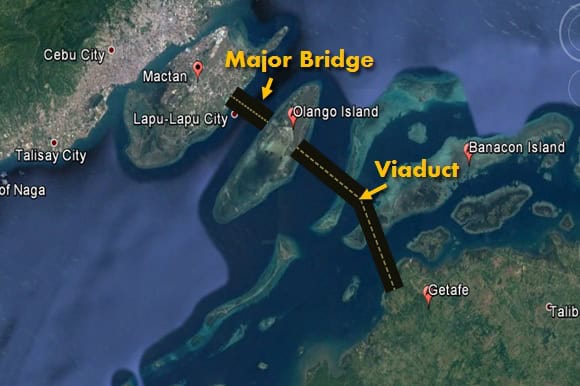
Environmental concerns will also need to be addressed, particularly from groups worried about the impact on marine life and the local fishing industry. Proper environmental impact assessments and mitigation measures will be critical to ensure that the bridge project is sustainable in the long term.
Once these hurdles are overcome, however, the Cebu-Bohol Link Bridge could serve as a transformative piece of infrastructure for the Visayas region, improving the lives of people in both Cebu and Bohol while boosting the local economies. In a broader context, the project aligns with the Philippines’ Build, Build, Build infrastructure program, which aims to improve transportation and connectivity across the archipelago.
The proposed Cebu-Bohol Link Bridge holds great promise for the future, offering a glimpse into a more connected and progressive Philippines. ###